
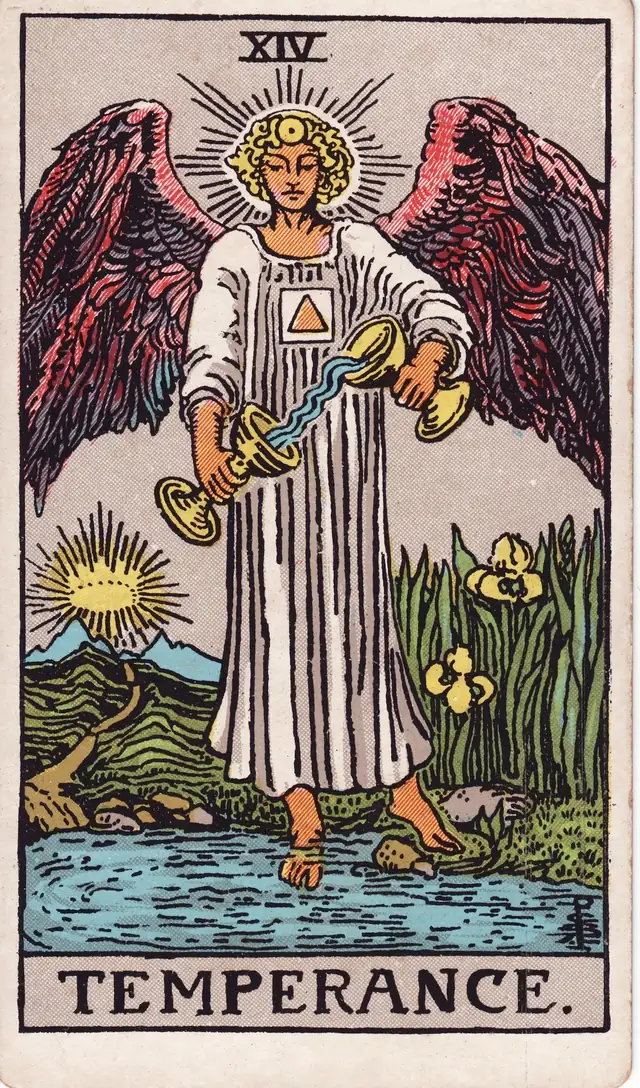
What Temperance as a person means
Temperance as a person describes someone who combines different needs through patient listening and steady practical adjustment. This pattern appears through making room for two approaches without turning every difference into a contest. Notice how your own care for proportion helps a group find a pace that everyone can reasonably maintain. The card describes a practiced way of responding, without declaring anyone permanently calm or free from frustration.
Picture a host planning a gathering that includes a quiet conversation and room for more active shared time. Their choices let different preferences coexist, without requiring every guest to enjoy the same kind of evening. Notice whether they also tell you their own limits before accepting every request as another responsibility to absorb. A balanced person includes their own needs in the arrangement that makes others feel considered.
Explore Temperance with your own draw
Your draw can reveal any card in the deck.
In love
As a partner, this pattern brings patience and a wish to build a rhythm that suits both people. Discuss what your companion needs as carefully as the adjustments they readily make for everyone else. A calm manner should leave room for direct requests, disagreement, and the ordinary limits of available time. Temperance's strength is a chosen balance that keeps two people visible within the life they share.
At work
At work, this person often helps different specialists understand how their contributions can fit within one shared process. Ask them to explain your competing requirements in practical terms before the team chooses what to combine. Make sure the effort of maintaining cooperation is recognized rather than silently added to their existing workload. Their useful skill is integration through steady adjustment, with clear limits that keep the role possible to sustain.
Your next step
Choose a situation where two useful needs currently compete for the same part of your attention. Design a small arrangement that gives each a clear place without pretending both can receive unlimited time. Try it long enough to notice the actual effect, then adjust whichever part remains out of proportion. This practices Temperance through real feedback, allowing balance to develop beyond what your first attempt can achieve.
- patient mediator
- steady presence
- balanced contributor
- practical harmony
The image behind this reading
The yellow flowers grow beside the bank as you look near the angel's foot resting on land.[1]
Read these meanings as modern interpretations of the imagery in your 1909 Rider-Waite-Smith deck.