NakshamNAKSHAM
Tarot
The Chariot in the Rider-Waite-Smith deck, reversed

The Chariot Reversed

Reversed

What The Chariot reversed means

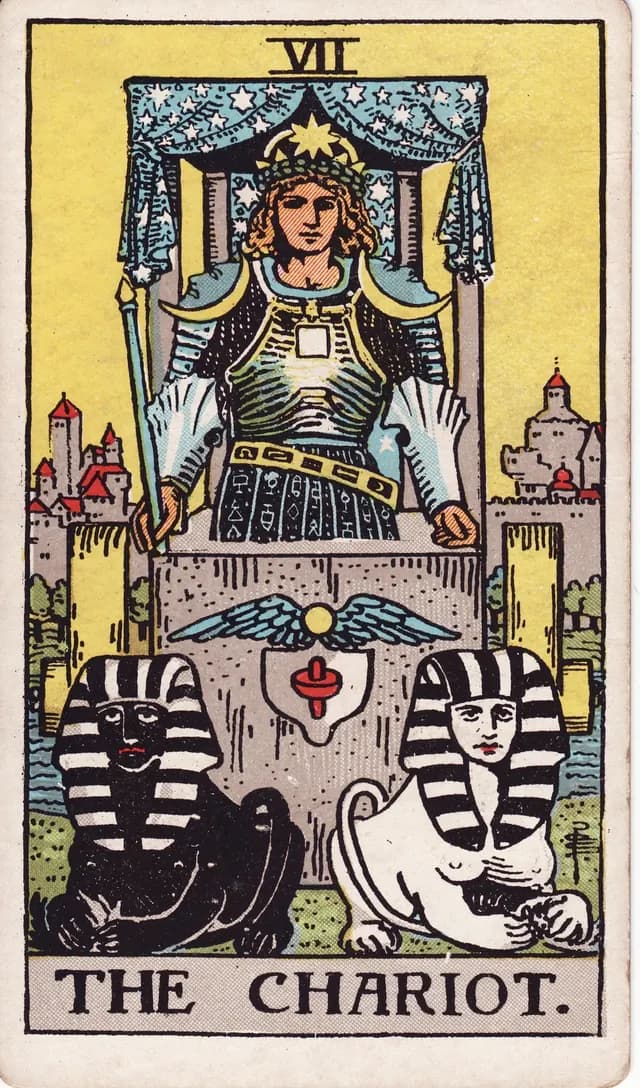
The Chariot reversed suggests effort pulling in different directions or pressure replacing a clear sense of purpose. More movement does not help when your next action serves two goals that compete with each other. Name the destination before deciding whether the current obstacle needs patience, a changed route, or another attempt. The contrasting sphinxes offer a visible prompt to bring those competing pulls into conscious agreement.

Imagine trying to complete a project quickly while changing its aim whenever another request arrives. The work keeps moving, but your original result becomes harder to describe after each adjustment. Pause with the people involved and agree which outcome the next stage should actually deliver. A narrower direction makes effort useful again without treating every delay as something to overpower.

Explore The Chariot with your own draw

Your draw can reveal any card in the deck.

Get your own yes or no answer

Explore your question in a love reading

In love

In love, this reversal asks whether a shared relationship is being steered by only one person's pace. Discuss where you both want the connection to go before pushing toward another milestone or arrangement. Notice when repeated persuasion replaces listening to an answer that differs from your preferred direction. A pause can restore mutual choice while leaving each person free to name what they genuinely want.

At work

At work, The Chariot reversed highlights competing priorities that turn determination into scattered or repeated effort. List the tasks drawing your attention and ask which result matters most to the people assigning them. Confirm what can wait before promising to move everything forward at the same pace. A clear order of work gives focus a practical route instead of making pressure the only organizing method.

Your next step

Stop one nonessential action long enough to write the goal in a single clear sentence. Name the competing demand that keeps pulling your time away from that agreed destination. Ask for a decision or adjust the scope before adding more effort to the same conflict. Review the next completed step against the goal so movement has a purpose you can actually assess.

  • scattered drive
  • competing aims
  • revised direction
  • measured pace

The image behind this reading

The contrasting sphinxes rest side by side as you compare their black and white bodies.[1]

Read these meanings as modern interpretations of the imagery in your 1909 Rider-Waite-Smith deck.

Show source

This line sums up your reading of this card.

These meanings are modern readings of the card art.

Frequently Asked Questions

Is The Chariot reversed a yes or no?+
Leaning no, because your effort is pulling in different directions. Naksham's current map gives this reversal a qualified refusal while the proposed movement lacks clear direction. Check which competing goal or unresolved disagreement would make your next push repeat the same problem. A shared destination and a realistic pace provide useful conditions to examine before committing more time.
Does The Chariot reversed mean you have already failed?+
The reversal describes a problem with direction or control rather than a final judgment on your ability. Look at the latest attempt and identify where effort stopped serving the result you actually wanted. A changed aim, conflicting instruction, or rushed pace gives something specific to address before trying again. Learning from that detail is more useful than treating a stalled stage as the end of the journey.
How can you tell persistence from forcing a situation?+
Persistence keeps learning from the response, while forcing repeats pressure without changing the approach. Notice whether your latest effort addresses a real obstacle or simply demands that someone give a different answer. Check the goal, the available route, and the limits that other people have clearly stated. The Chariot reversal asks you to steer thoughtfully rather than make continued motion the only measure of commitment.
What helps when two important goals pull against each other?+
Write the actual demands of each goal before assuming both can receive your full attention at once. Decide which one needs action now and what a later start would mean for the other. Tell anyone affected so the order becomes a shared understanding instead of another private struggle. A chosen sequence can preserve both aims while removing the conflict from the next working step.
Is The Chariot reversed a bad card?+
No tarot card is bad in itself. The Chariot reversed shows the shadow side of the card, offered as guidance rather than a verdict. Reversed, it suggests: You may be losing your grip on where you are headed. Or you are forcing something that needs patience instead. The Chariot reversed asks you to find your center first, then move. Read it as a prompt to reflect, not a cause for alarm.

Related Pages

Sources & References

  1. [1]Pamela Colman Smith and A. E. Waite, Rider-Waite-Smith tarot deck (1909)